
Construction services offer tailored solutions to meet the unique needs and specifications of each project.
Construction services offer tailored solutions to meet the unique needs and specifications of each project.

Call Us Any Time:
+(1403) 462 7266
Email Us:
info@adsorpacarbon.com
Dixie Road Mississauga
Discover interesting facts and applications of Activated Carbon across water, medical, and industrial uses.
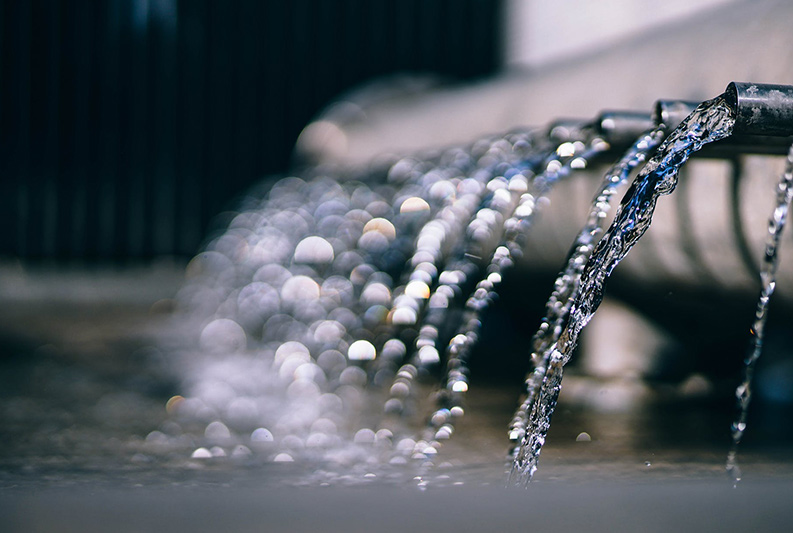 Water Treatment
Chloramine, a combination of ammonia and chlorine, is a disinfecting agent used in some water treatment plants, because it tends to remain longer in the water distribution system than chlorine.
Chloramines have been linked to respiratory tract damage and eye irritation in swimming pools.
Chloramine does not dissipate in the open air due to ammonia, making it difficult to remove from drinking water. Regular filtration methods, including reverse osmosis systems, are ineffective; it requires specialized activated carbon and longer contact time.
Appropriate activated carbon removes contaminants via adsorption and catalytic reduction. Organics are removed by adsorption and residual disinfectants by catalytic reduction.
 Health & Wellness
Activated carbon is widely used for safe and effective treatment of poisoning and drug overdoses in emergency trauma centers worldwide.
It reduces bloating and gas, lowers cholesterol, supports bile flow during pregnancy, and even prevents hangovers.
Activated carbon traps toxins and chemicals in the body, allowing safe elimination. Natural sources like coconut shells are preferred for healing purposes.
It also has applications in Skin Care, Oral Health, Kidney Health, and Digestive Health.
 Industrial Safety
Activated Carbon has been used for decades to treat gaseous products from medical and municipal waste incineration facilities.
It adsorbs volatile heavy metals like Mercury and removes unwanted combustion products such as Dioxins and Furans.
Flue gas treatment with activated carbon is typically used alongside fabric filters (baghouses) for maximum efficiency.